
Compare it2 min read
Why three builders quote three very different prices
Two quotes for the same job can be thousands apart without either being wrong. Here is what actually causes the gap and how to read it.
30 July 2026
The Estimo team · Published 17 August 2026 · Last reviewed 17 August 2026
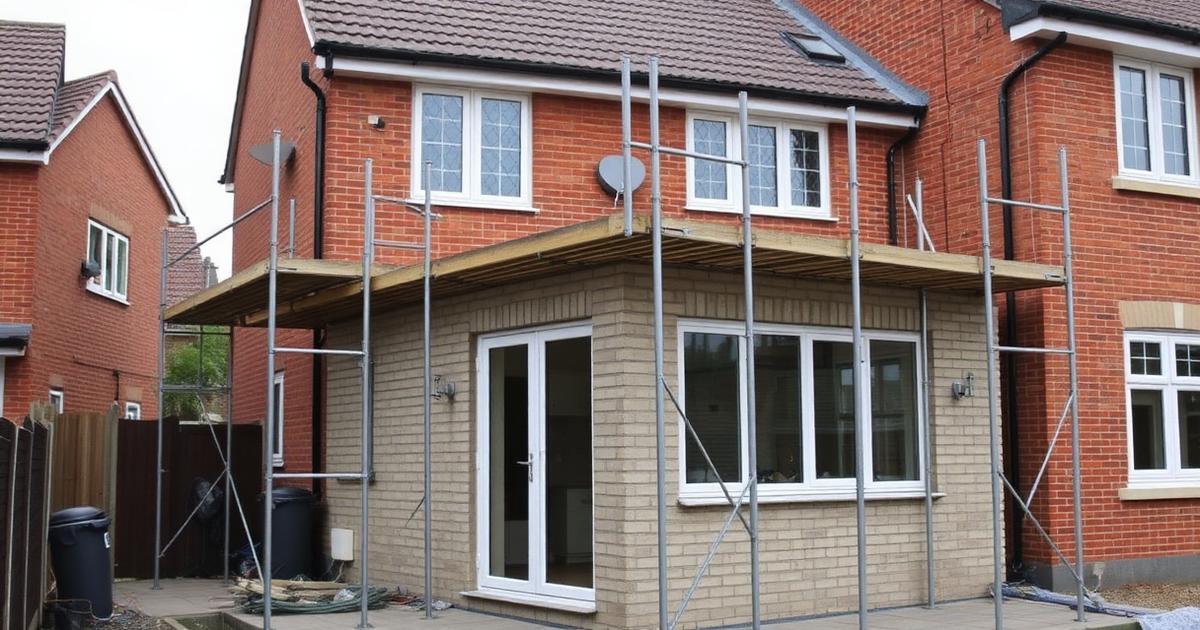
Size matters far less than you would expect. Groundworks, glazing, roof type, structural openings and the level of finish drive most of the difference between extensions of identical floor area.
Rules of thumb are useful for a first sanity check and misleading after that. Two 20m² extensions can differ enormously.
Set your finish level and glazing ambitions early. Those two decisions shape the budget more than another metre of floor area ever will.
Estimo gives indicative, AI-assisted guidance based on the information provided. It is not a formal quotation, valuation, survey or professional advice. Always confirm with a qualified professional before committing money.
Read nextWhat a bathroom refit really costs — and where the money goesTwo quotes for the same job can be thousands apart without either being wrong. Here is what actually causes the gap and how to read it.
30 July 2026
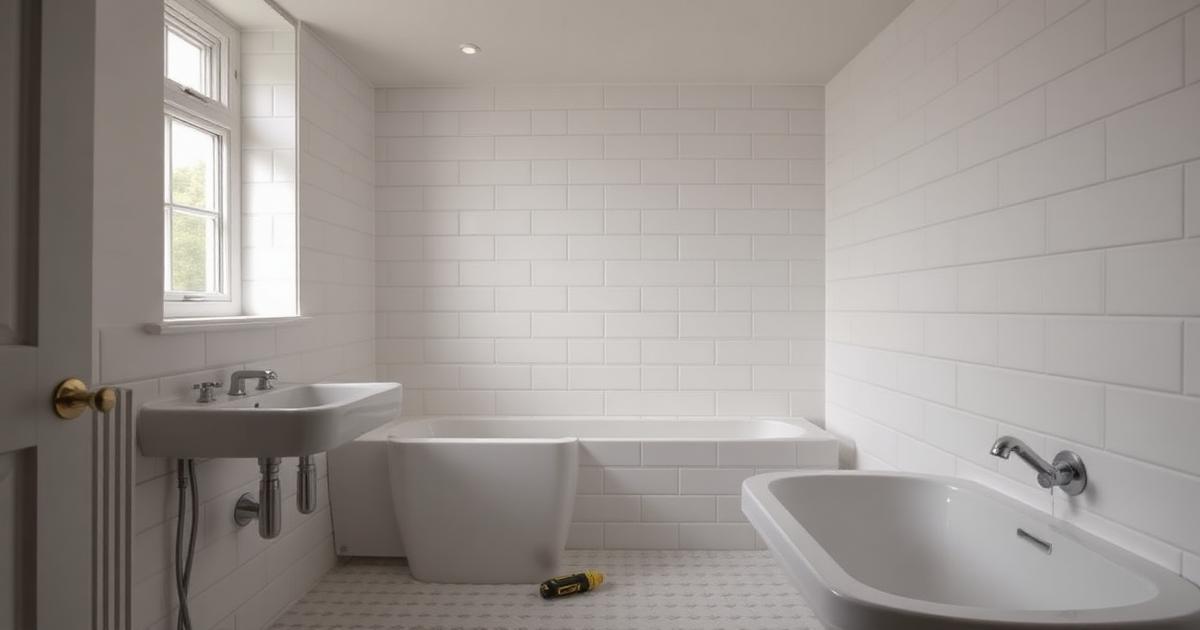
A breakdown of where your budget actually goes in a bathroom refurbishment, from first fix to the final silicone bead.
3 August 2026
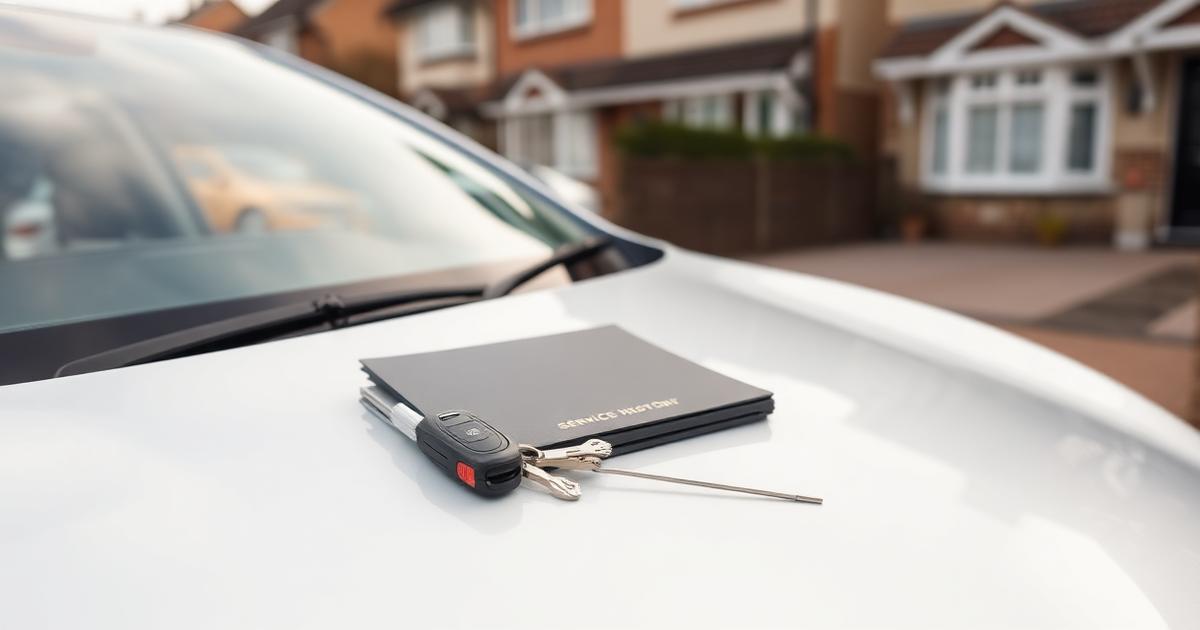
Trade-in, private sale and instant-buyer prices are three different numbers. Here is how to work out which one applies to you.
7 August 2026