
Estimate it3 min read
Do I need planning permission for a rear extension?
Many single-storey rear extensions in England can go ahead under permitted development — but the limits are specific, and some homes don't qualify at all.
19 October 2026
The Estimo team · Published 22 October 2026
Most damp in UK homes comes from condensation, penetrating damp or, less often, rising damp. Each has a different cause and a different fix, so the most important step is an accurate diagnosis before you pay for any treatment.
Damp is a symptom, not a single problem. Paying for the wrong treatment can cost money without fixing the cause. Before comparing quotes for damp work, it helps to understand what each type looks like and what usually causes it.
Condensation is the most common form of damp in UK homes. Warm, moist air from cooking, showers, drying clothes and breathing meets a cold surface and turns into water.
Typical signs
Typical fixes focus on reducing moisture and improving ventilation: extractor fans that work, opening trickle vents, drying clothes outside or with ventilation, and keeping rooms evenly heated. Insulation can help by warming cold surfaces.
Penetrating damp is water getting in from outside, usually through a defect.
Typical signs
Common causes include blocked or leaking gutters, cracked render, damaged pointing, faulty flashing, and roof leaks. The fix is to find and repair the defect, then let the wall dry out. Our home repair cost estimator covers the costs side.
Rising damp is ground moisture drawn up through walls. Most homes built in the last century or so have a damp-proof course designed to stop it.
Typical signs
Rising damp is diagnosed less often than people expect. Raised ground levels outside, bridged damp-proof courses or leaking pipes can produce similar symptoms. That's why an independent opinion is valuable before buying a chemical damp-proof course.
If one firm recommends extensive treatment and another recommends gutter repairs, the difference is worth understanding before you choose. The quote comparison checklist is a useful structure.
If you rent, report damp to your landlord in writing and keep a record. Landlords have legal duties around repairs, and Citizens Advice explains your options.
Note where and when the damp appears, check gutters and ventilation, and get an independent diagnosis. Then use Estimo to understand likely repair costs for the cause you've identified.
Estimo gives indicative, AI-assisted guidance based on the information provided. It is not a formal quotation, valuation, survey or professional advice. Always confirm with a qualified professional before committing money.
Read nextDo I need planning permission for a rear extension?Many single-storey rear extensions in England can go ahead under permitted development — but the limits are specific, and some homes don't qualify at all.
19 October 2026
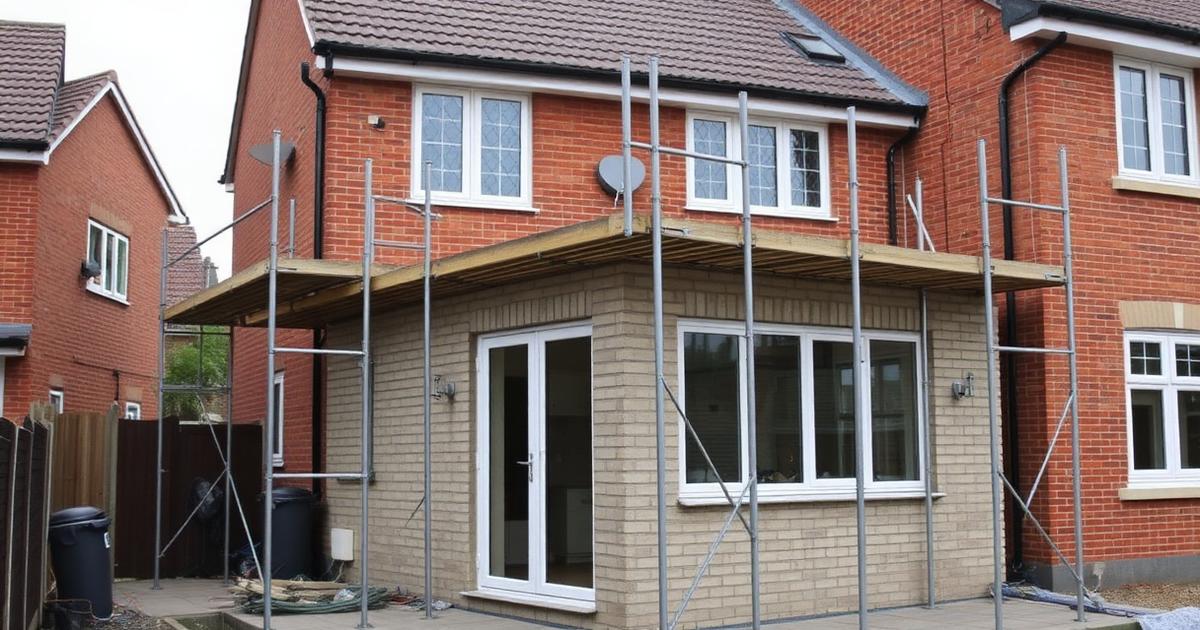
Why two extensions of the same size can differ by tens of thousands, and which decisions carry the most weight.
17 August 2026
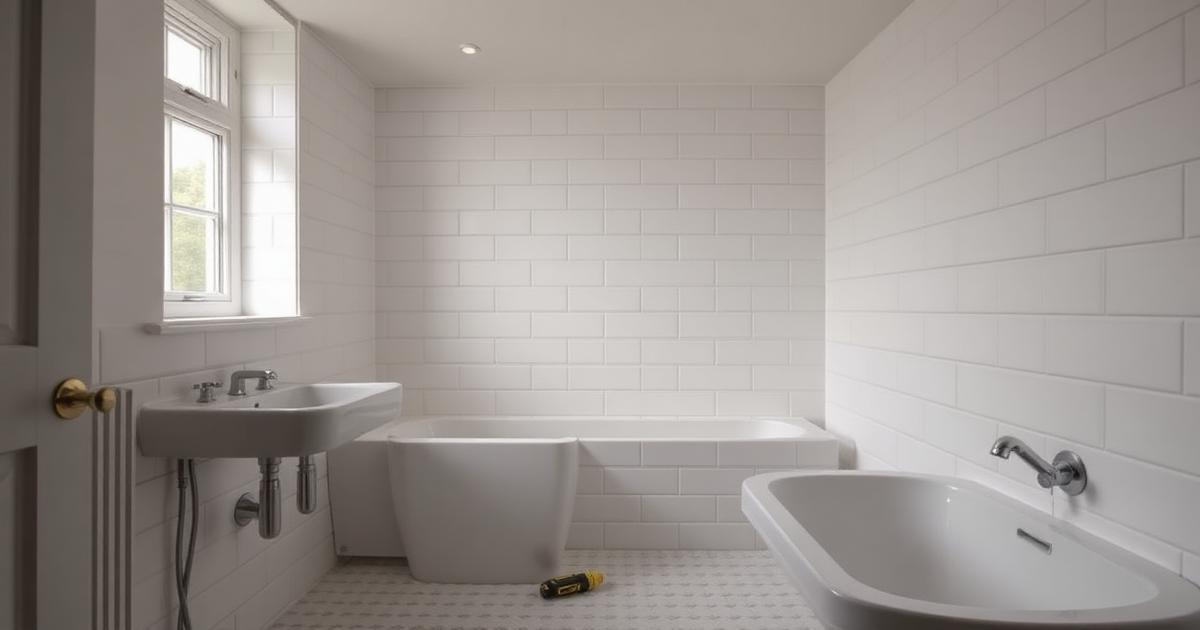
A breakdown of where your budget actually goes in a bathroom refurbishment, from first fix to the final silicone bead.
3 August 2026