
Compare it2 min read
Why three builders quote three very different prices
Two quotes for the same job can be thousands apart without either being wrong. Here is what actually causes the gap and how to read it.
30 July 2026
The Estimo team · Published 18 October 2026
There is no legal maximum deposit for building work in the UK. A fair deposit is usually tied to a clear purpose, such as ordering materials, and is set out in writing. Be cautious about paying a large share of the total before any work or materials arrive.
A deposit is a payment made before work starts. For a builder, it reduces the risk of ordering materials or turning down other jobs for a customer who then pulls out. For you, it is money paid before you have received anything, so the aim is to make sure the amount matches a genuine need.
There is no fixed legal limit on what a builder can ask for. That means the deposit is something you agree, not something you simply accept. A request is easier to judge once you know what it is meant to pay for.
A reasonable deposit normally has a clear, specific purpose. Common ones include:
If a builder can explain what the deposit pays for, and the quote shows it, you have something concrete to compare. If the explanation is vague, ask again before paying.
Some patterns deserve extra caution:
None of these proves anything on its own, but together they are a reason to slow down. Our guide to comparing builder quotes shows how to line up the terms side by side.
On larger jobs, some people ask to pay suppliers directly for big-ticket materials rather than handing the money to the builder. This keeps the goods in your name and makes it clear what you have paid for. Not every builder will agree, and it can complicate warranties, so discuss it openly at the quote stage.
Whatever you agree, write it down before any money changes hands. A simple written agreement should state:
The Consumer Rights Act 2015 says a trader must carry out a service with reasonable care and skill. Written terms make it much easier to show what was agreed if something goes wrong.
A few simple habits reduce risk:
The deposit is only the first payment. A well-structured job usually ties later payments to visible progress, with a final amount held back until everything is finished and signed off. If the payment plan front-loads most of the cost, you lose leverage if the work stalls.
Before you pay a deposit, check the amount against what it covers, make sure it is written into the quote, and pay in a way you can trace. If you are comparing several quotes, Estimo's quote comparison can help you spot differences in payment terms as well as price.
Estimo gives indicative, AI-assisted guidance based on the information provided. It is not a formal quotation, valuation, survey or professional advice. Always confirm with a qualified professional before committing money.
Read nextThe 10-point checklist for comparing any quoteTwo quotes for the same job can be thousands apart without either being wrong. Here is what actually causes the gap and how to read it.
30 July 2026

A repeatable way to compare quotes for building work, repairs or services so you are comparing like with like.
11 August 2026
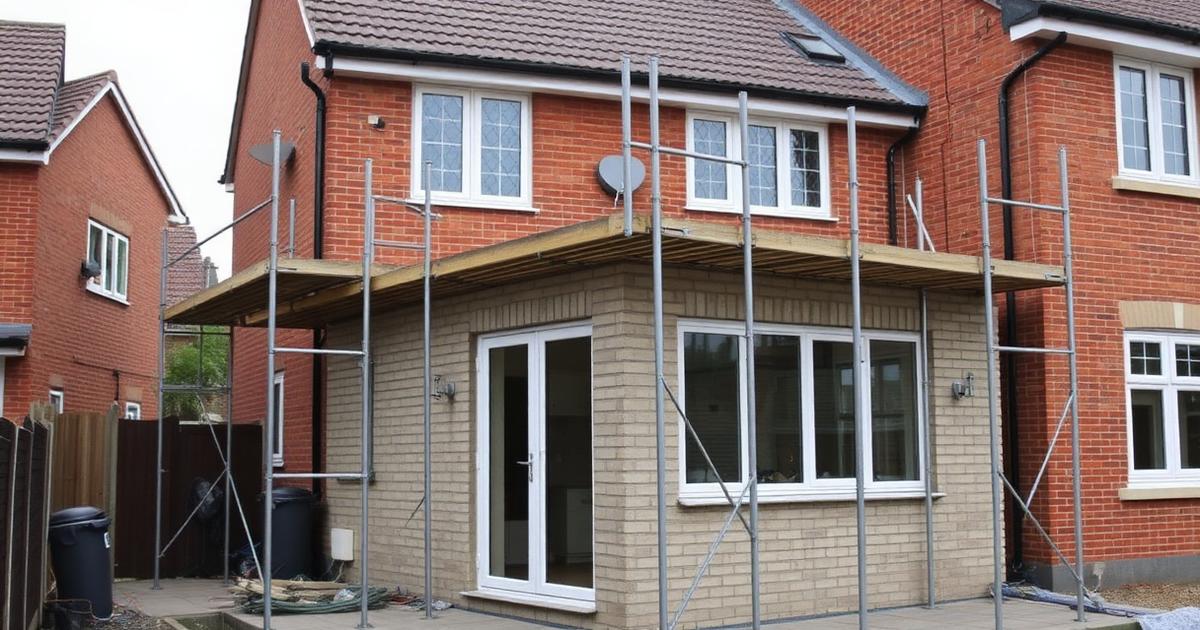
Why two extensions of the same size can differ by tens of thousands, and which decisions carry the most weight.
17 August 2026